
Morse Decoder AI
 23
23


Morse Decoder AI
Morse Decoder AI is an iOS app from Yuriy Kvasha in the Utilities category, currently rated 2.0★ across 4 ratings. Initial signal reads as mixed reviews: supporters praise core features while critics cite stability and value gaps.
Quality Score is 23: Niche (micro-niche or pre-traction stage). For a Utilities app, that means micro-niche or pre-traction stage. The full BU Investment Matrix below scores 8 dimensions including monetisation, growth, and operational risk.
Track changes month-over-month in the Performance section below: live snapshot history and revenue forecast included.
- Title & subtitle keyword fit
- Description hook & conversion structure
- Screenshots, ratings, reviews strategy
📊 Performance Tracking LIVE
Synthetic estimate. Inputs: category complexity, file size, screen count, monetization layer, platform reach, age × team-size proxy. Calibrated against 2024-2026 indie-agency rate surveys. Full math + source list on /methodology.
| 🧱 MVP baseline (design + 1-store ship) | +$28K |
| 📱 5 unique screens × $4.5K | +$22K |
| 📦 Asset bundle (60 MB) | +$3K |
| ⚙ Utilities complexity ×0.85 | $-8162 |
How we forecast this revenue
MEDIUM CONFIDENCEBU Investment Matrix
Pre-traction · 35/100INDIE TIERlimited signal- 💰 Revenue: Modest — $403 - $2524/mo · INDIE tier · medium confidence, trajectory unclear.
- ⭐ Quality: 2.0★ across 4 reviews — weak — significant quality concerns.
- 📍 Market: Not yet charting in any of the 9 monitored markets.
- 📈 Growth: ⚠ last update 906d ago — possibly dormant.
- ⚠️ Risk: Elevated — dormant (906d since update).
💰 Forecast Revenue / mo
MODEL| Paid app ($2.99)METRIC | +$2,800 | |
| Below-average rating (2.0★)METRIC | −$1,500 | |
| Single-language (English only)METRIC | −$400 | |
| Pre-traction phase (4 ratings)METRIC | −$300 | |
| Growing app (2y old)METRIC | +$200 |
📈 Reviews Growth
LIVE⭐ Rating Trend
LIVE🆕 What's New · v1.1
- Improved neural networks type A and B
Profile & Insights
Identification
- App name
- Morse Decoder AI
- Developer
- Yuriy Kvasha
- Bundle ID
- us.kvasha.morsedecoderai
- App Store URL
- Open in App Store
- Category
- Utilities
- Content rating
- 4+
- Languages
- EN
Company
- Website
- Not found
- Tagline
- Not found
- Description
- Not found
- Founded
- Not found
- HQ / Address
- Not found
- Employees
- Not found
- Logo
- Not found
Revenue
- Verified revenue / mo
- Not found
- AI revenue estimate / mo
- Not found
- AI annual estimate
- Not found
- ML model estimate / mo
- $86/mo
- Top-grossing rank
- Outside top 100 in US Utilities
- All-time revenue
- Not found
- Pricing
- Not found
Founder
Funding
Press & Links
Contacts & Socials
📈Ratings growth4 ratingsShow 3-year history estimate ▾
📝 About this app
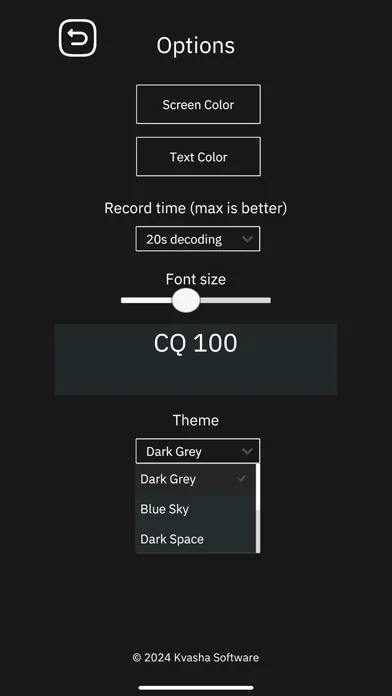
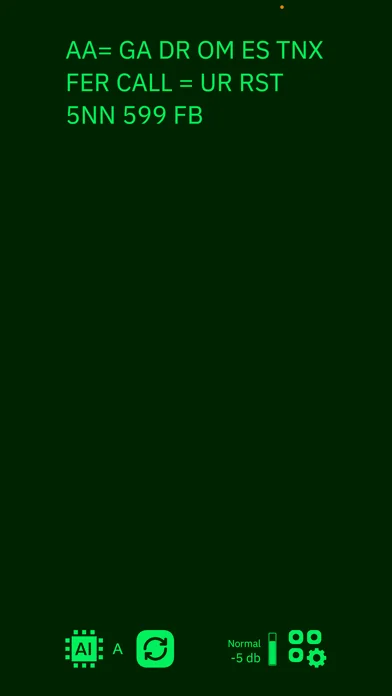
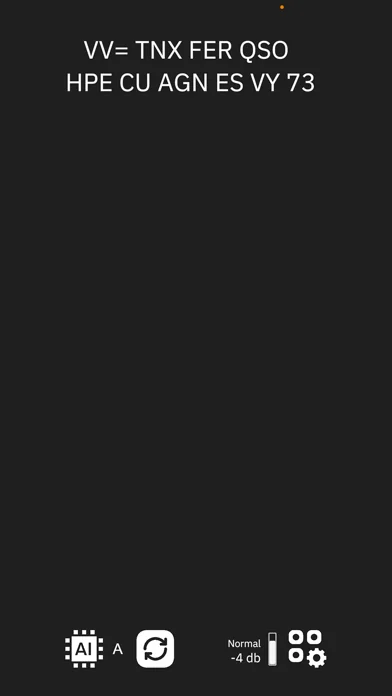
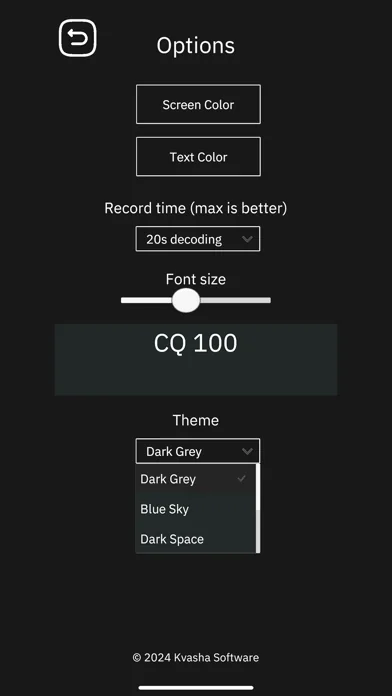
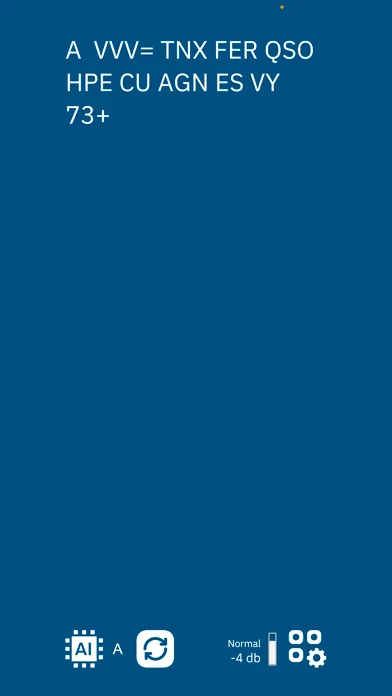
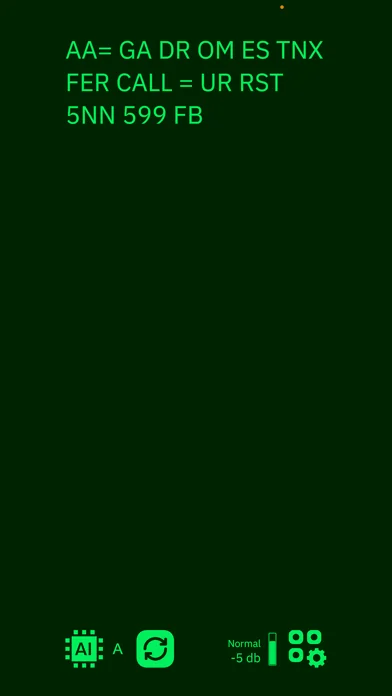
The neural network of the application is trained to decode signals with a speed ranging from 10 to 40 words per minute within a frequency range of 200 Hz to 900 Hz.
The application supports two modes of operation: direct (default) and tone filtering mode.… View full description on the official store →
What Worked™ · Development Pipeline
4 EVENTS TRACKEDStore Page History
2 SCREENSHOT CHANGES2 ver.
2 ver.
Multi-Country Performance
Available in 9 of 9 monitored markets| Market | Rating | Reviews | Current version |
|---|---|---|---|
| 🇺🇸 US | 2★ | 4 | 2★ this version |
| 🇬🇧 GB | 5★ | 1 | 5★ this version |
| 🇩🇪 DE | 1★ | 2 | 1★ this version |
| 🇫🇷 FR | 3★ | 1 | 3★ this version |
| 🇯🇵 JP | 3★ | 1 | 3★ this version |
| 🇨🇦 CA | 1★ | 1 | 1★ this version |
| 🇦🇺 AU | 1★ | 1 | 1★ this version |
| 🇧🇷 BR | 0★ | 0 | — |
| 🇮🇳 IN | 0★ | 0 | — |
Track this app’s revenue
FREE📝 Description
95
More by Yuriy Kvasha
View all →


Similar apps in Utilities


Why low confidence: only 4 ratings · no founder-verified revenue (model estimate only) · revenue figure is directional only.
Morse Decoder AI is a very early-stage iOS app in the utilities space with weak public traction — only 4 ratings, no founder-verified MRR, and not ranked in any monitored grossing chart. The app appears to be monetised, but public signals are too sparse for a precise revenue estimate.
Bottom line: treat all revenue, audience and acquisition-value numbers on this page as directional only — not founder-verified facts.