What Logic, Memory & Concentration actually does (from store listing)
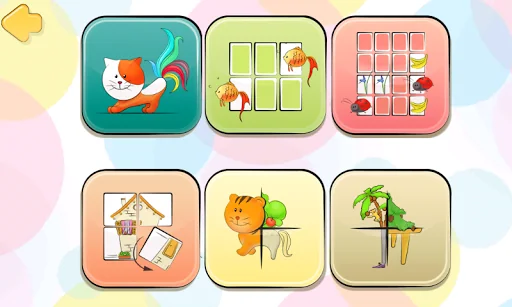
A bundle of 4 games to train attention, memory, logic and other brain functions in a fun way.
An Artist's Mistake
Develops attention, cognitive processes, and imagination. Silly pictures fit the sense of humor of children. Kids needs to spot the mistakes in the pictures.
Blocks
Develops spatial cognition and logic. There are four tiles on the screen, each showing a piece from a different picture. The goal is to change the pieces of pictures until all the tiles show pieces of the same p…
A bundle of 4 games to train attention, memory, logic and other brain functions in a fun way.
An Artist's Mistake
Develops attention, cognitive processes, and imagination. Silly pictures fit the sense of humor of children. Kids needs to spot the mistakes in the pictures.
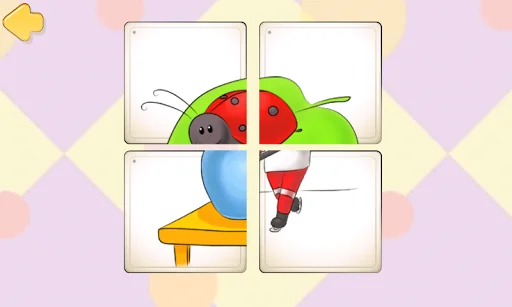
Blocks
Develops spatial cognition and logic. There are four tiles on the screen, each showing a piece from a different picture. The goal is to change the pieces of pictures until all the tiles show pieces of the same picture.
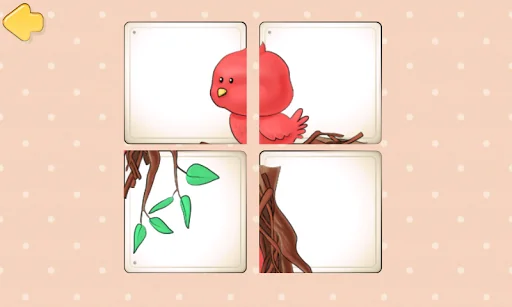
Puzzle
Trains spatial thinking and perception. The picture is split into four tiles which can be rotated. The goal is to rotate the tiles in order to make a whole image.
Memory game
Trains attention and visual memory. There are cards on the table lying face down. Each round, the player can flip 2 cards. If the flipped cards have the same picture on the other side, they stay face up. Otherwise they get flipped back. The goal is to match all the cards.
The difficulty of the games makes them accessible for preschool children ages 3-4 years old. 3-4 year olds can play these games alone, yet the assistance of an adult may be encouraging for the kids at the start. Adults should try these games too: they are simple and fun for the whole family!
Comparable Android apps
The five apps in Educational with the closest revenue to Logic, Memory & Concentration. Click any to see its detail page.
Each forecast combines App Store rating, ratings count, monetisation model, pricing tier, IAP signals and ad-supported flag.
The base estimate is then multiplied by a per-category scaling factor learned from apps with founder-verified MRR.
Every number on this page comes from public APIs and bumetric's own snapshot history.
Full methodology covers input variables, accuracy bands per category and how we treat apps without comparable anchors.
See also the live data on Logic, Memory & Concentration's tracker page for current rating, reviews and snapshot timeline.
Building something similar? Get a free AI audit with $-revenue forecasts for every recommendation.

 TRT Mutlu Oyuncak Dükkanı
 Japanese 50 -Beginners Quest
 Sweet Baby Girl Hotel Cleanup
 Kids Write ABC!
 Robot Builder Games for Kids