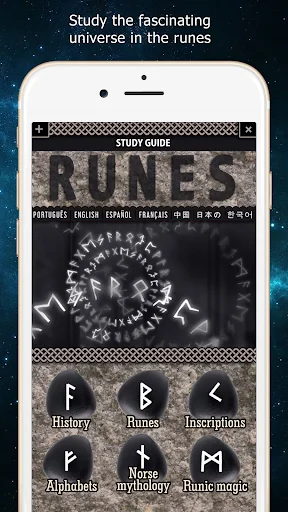
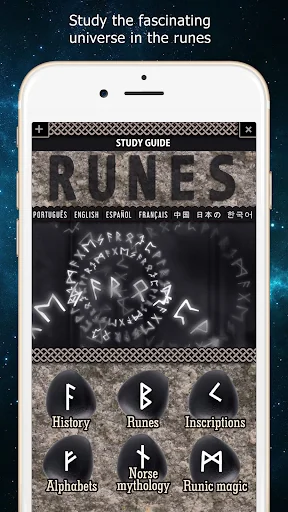
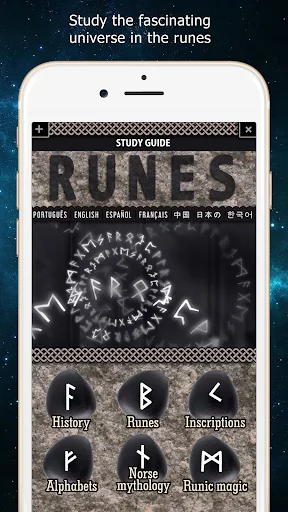
What Runes Guide actually does (from store listing)
Runology is the study of the runic alphabets, runic inscriptions, runestones, and their history. Runology forms a specialised branch of Germanic linguistics.
The earliest runic inscriptions date from around 150 AD. The characters were generally replaced by the Latin alphabet as the cultures that had used runes underwent Christianisation, by approximately 700 AD in central Europe and 1100 AD in northern Europe. However, the use of runes persisted for specialized purposes in northern Europe. Un…
Runology is the study of the runic alphabets, runic inscriptions, runestones, and their history. Runology forms a specialised branch of Germanic linguistics.
The earliest runic inscriptions date from around 150 AD. The characters were generally replaced by the Latin alphabet as the cultures that had used runes underwent Christianisation, by approximately 700 AD in central Europe and 1100 AD in northern Europe. However, the use of runes persisted for specialized purposes in northern Europe. Until the early 20th century, runes were used in rural Sweden for decorative purposes in Dalarna and on Runic calendars.
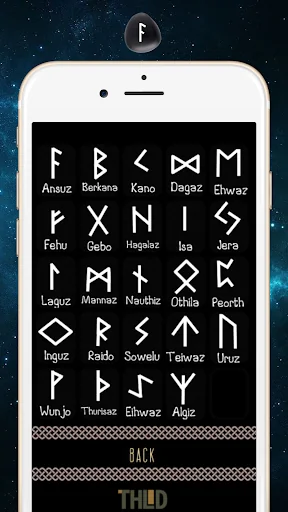
The three best-known runic alphabets are the Elder Futhark (around 150–800 AD), the Anglo-Saxon Futhorc (400–1100 AD), and the Younger Futhark (800–1100 AD). The Younger Futhark is divided further into the long-branch runes (also called Danish, although they were also used in Norway and Sweden); short-branch or Rök runes (also called Swedish-Norwegian, although they were also used in Denmark); and the stavlösa or Hälsinge runes (staveless runes). The Younger Futhark developed further into the Medieval runes (1100–1500 AD), and the Dalecarlian runes (around 1500–1800 AD).
Comparable Android apps
The five apps in Education with the closest revenue to Runes Guide. Click any to see its detail page.
Each forecast combines App Store rating, ratings count, monetisation model, pricing tier, IAP signals and ad-supported flag.
The base estimate is then multiplied by a per-category scaling factor learned from apps with founder-verified MRR.
Every number on this page comes from public APIs and bumetric's own snapshot history.
Full methodology covers input variables, accuracy bands per category and how we treat apps without comparable anchors.
See also the live data on Runes Guide's tracker page for current rating, reviews and snapshot timeline.
Building something similar? Get a free AI audit with $-revenue forecasts for every recommendation.


 St Martins High School balanag
 Logarithm
 Sayıları Yaz: 123 Yazımı
 HSC Test Paper 2026
 VENPER LIVE