What Solve The Cube actually does (from store listing)
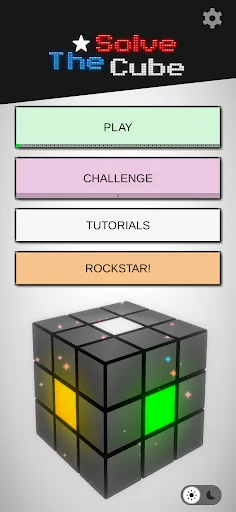
Get ready to master the cube! I'll guide you through 7 epic moves you'll memorize like your favorite dance routine. The first steps are a breeze, but hold on tight, because things get more exciting as you go.
Long explanations? Pfft! Skip 'em and focus on the moves: down, up, up... let's rock that cube!
The Method:
Really easy to learn method for solving the cube taught in a fun and easy way even for beginners.
This method consists of 7 easy movements: White Cross, Middle Layer, Yellow C…
Get ready to master the cube! I'll guide you through 7 epic moves you'll memorize like your favorite dance routine. The first steps are a breeze, but hold on tight, because things get more exciting as you go.
Long explanations? Pfft! Skip 'em and focus on the moves: down, up, up... let's rock that cube!
The Method:
Really easy to learn method for solving the cube taught in a fun and easy way even for beginners.
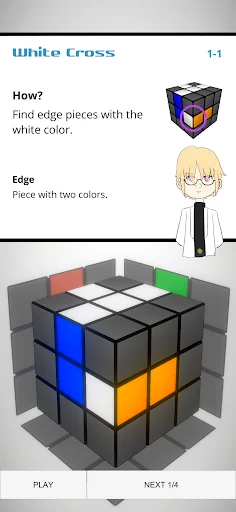
This method consists of 7 easy movements: White Cross, Middle Layer, Yellow Cross Position, Yellow Cross Orientation, Position Corners and Final Movement.
The method's great advantage is its simplicity. As an example the Final Movement only needs 4 rotations and not the usual 10 or 12 that are hard to remember.
Theory:
The cube has 6 faces with 6 colors and 26 pieces:
Center: Pieces with 1 color located in each face's center. It tells us the cube's face's color.
Corner: Pieces with 3 colors located in the cube's corners. There are 8 in total.
Edge: Pieces with 2 colors located between cube corners. There are 12 in total.
Tip for Success:
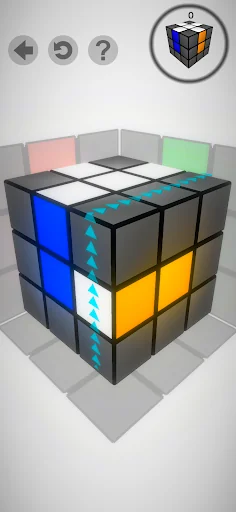
The movement sequences are explained step by step. Each step shows which face to rotate along with a title. Try to remember these titles — with practice, the rotations will become natural.
Comparable Android apps
The five apps in Education with the closest revenue to Solve The Cube. Click any to see its detail page.
Each forecast combines App Store rating, ratings count, monetisation model, pricing tier, IAP signals and ad-supported flag.
The base estimate is then multiplied by a per-category scaling factor learned from apps with founder-verified MRR.
Every number on this page comes from public APIs and Bumetric's own snapshot history.
Full methodology covers input variables, accuracy bands per category and how we treat apps without comparable anchors.
See also the live data on Solve The Cube's tracker page for current rating, reviews and snapshot timeline.
Building something similar? Get a free AI audit with $-revenue forecasts for every recommendation.


 English Burmese Translator
 Catch It Korean-speak, phrases
 Greek Driving Test
 للمذاكرة افضل
 Limit Cepte