What Tibetan Buddhist Mantras actually does (from store listing)
A mantra is a sequence of words or syllables that are chanted, usually repetitively, as part of Buddhist practice. An example of a mantra is om mani padme hum, which is associated with Tibetan Buddhism.
The function of a mantra is understood differently by the several schools of Buddhism, but at its most basic level, the chanting of a mantra is thought to evoke enlightenment. Sometimes mantras are used as a form of meditation.
Different mantras evokes different kinds of blessings to assist us …
A mantra is a sequence of words or syllables that are chanted, usually repetitively, as part of Buddhist practice. An example of a mantra is om mani padme hum, which is associated with Tibetan Buddhism.
The function of a mantra is understood differently by the several schools of Buddhism, but at its most basic level, the chanting of a mantra is thought to evoke enlightenment. Sometimes mantras are used as a form of meditation.
Different mantras evokes different kinds of blessings to assist us in our worldly or spiritual pursuits, but it must always comes with pure motivation.
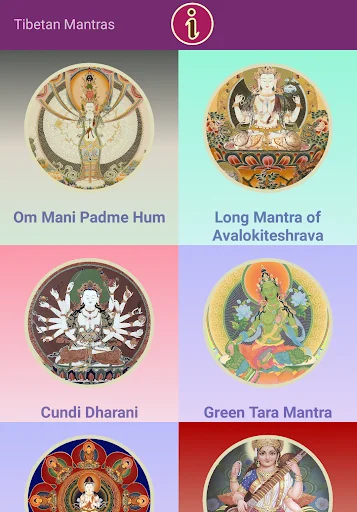
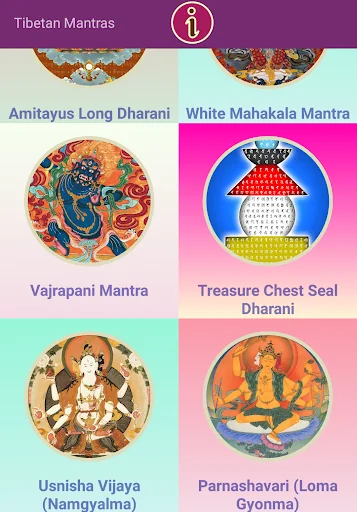
This app consists of the following mantras:
1. Om Mani Padme Hum
2. Avalokiteshrava Nilankantha Dharani (sanskrit version of Great Compassionate Mantra)
3. Cundi Dharani
4. Green Tara Mantra
5. Vairocana Mantra
6. Saraswati Mantra
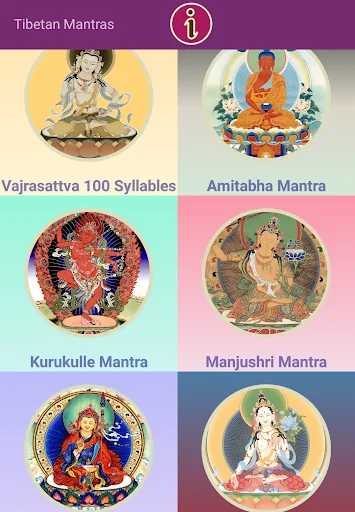
7. Vajrasattva 100 Syllable of Purification
8. Amitabha Mantra
9. Kurukulle Love Mantra (tibetan's cupid or Red Tara)
10. Manjushri Mantra
11. Du Sum Sangye Guru Rinpoche
12. White Tara Mantra
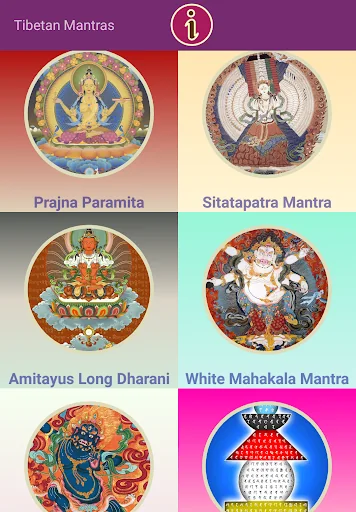
13. Prajna Paramita
14. Sitatapatra Mantra (White Umbrella Goddess or Dukkar)
15. Amitayus Long Life Dharani
16. Vajrapani Mantra
17. Usnisha Vijaya (Namgyalma)
18. Parnashavari (Loma Gyanmo)
Comparable Android apps
The five apps in Music & Audio with the closest revenue to Tibetan Buddhist Mantras. Click any to see its detail page.
Each forecast combines App Store rating, ratings count, monetisation model, pricing tier, IAP signals and ad-supported flag.
The base estimate is then multiplied by a per-category scaling factor learned from apps with founder-verified MRR.
Every number on this page comes from public APIs and bumetric's own snapshot history.
Full methodology covers input variables, accuracy bands per category and how we treat apps without comparable anchors.
See also the live data on Tibetan Buddhist Mantras's tracker page for current rating, reviews and snapshot timeline.
Building something similar? Get a free AI audit with $-revenue forecasts for every recommendation.

 Deep Purple Songs Album Mp3
 Red-whiskered Bulbul Sounds
 FM radio hang fm batam App ID
 Radio Studio Star
 Metronomo