
Apps Like Duolingo: 6 Language Learning Alternatives
Learning a language app is a long-term choice: you need a format that keeps you returning after the first enthusiastic week. Duolingo is one of the most visible options, but it is not the only established product with a large public user base. This guide compares alternatives through the data Bumetric has on their store records, rather than trying to crown a universal winner.
Why compare alternatives to Duolingo?
People searching for apps like Duolingo usually want a different learning experience, a different language focus, or simply another product to test before committing their time. A useful comparison needs more than a list of names. We looked for language learning apps with meaningful review volume and current active store records, then linked every app below to its underlying Bumetric profile.
Duolingo: Language Lessons remains the reference point in this group. Its iOS profile has a 4.72 store rating from more than 5.3 million ratings. That scale is useful context: an alternative does not need to match Duolingo's size to be a valid choice, but it should show enough public evidence to be evaluated.
Six established language learning alternatives
- Babbel has a 4.60 Android rating from more than 1.1 million ratings.
- Busuu has a 4.65 Android rating from more than 1.1 million ratings.
- Memrise has a 4.42 Android rating from more than 1.5 million ratings.
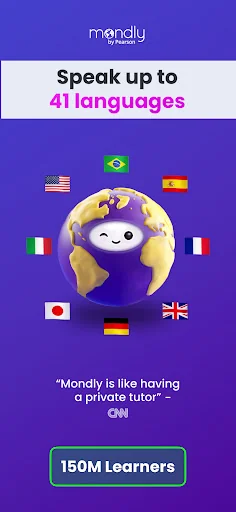
- Mondly has a 4.54 Android rating from more than 926,000 ratings.
- LingoDeer has a 4.44 Android rating from more than 450,000 ratings.
- Rosetta Stone has a 4.61 Android rating from more than 405,000 ratings.
Ratings are not a measure of teaching effectiveness and they do not tell us whether an app is right for an individual learner. They do show that these are not thin, newly created clones. Each has enough store feedback to make its public rating a meaningful signal.
How to choose a language learning app
Start with the language and study routine you actually need. A short daily practice habit calls for a different product experience than structured lessons or long listening sessions. Install two or three candidates, use the same language in each, and compare the first sessions before paying for a longer plan.
Store evidence is useful at this stage. Review volume tells you how much public feedback exists. The latest store update date, screenshots and historical snapshots on an app profile provide more context than a single star rating. Use the linked profiles to see those details directly instead of relying on a generic recommendation list.
What this data can and cannot tell you
Bumetric records store ratings, review counts, store assets and revenue signals. Revenue signals are estimates or reported indicators, not financial statements. They are useful for understanding how established an app's commercial operation may be, but they are not a ranking of educational quality.
The comparison is intentionally narrow: one popular language learning app and six real alternatives with substantial store evidence. We will update this page when the linked app records materially change, rather than expanding it with loosely related products.
Method
This snapshot uses active iOS and Android store records available in Bumetric on August 9, 2026. We excluded removed listings and selected language learning products with substantial rating counts. See our methodology for how app records and revenue signals are handled.
Observed store history
View Duolingo: Language LessonsStore rating and total rating count across dated Bumetric observations.
57 observations from 2026-03-03 to 2026-09-04. Values are not projected.
App screens from our catalog
Stored store screenshots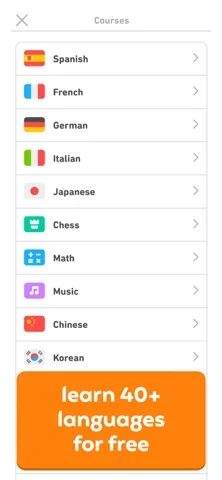
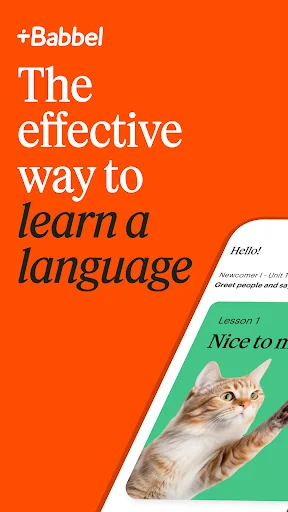
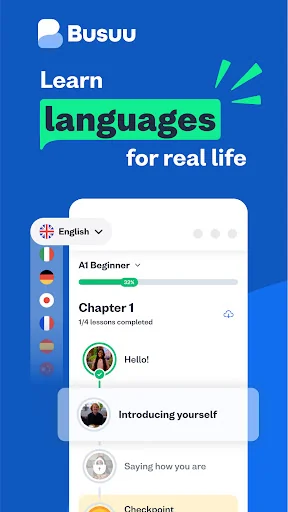
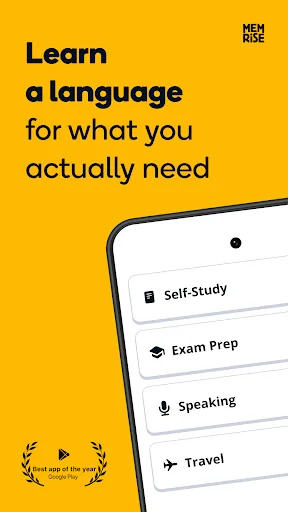
 Duolingo: Language Lessons
 Babbel - Learn Languages
 Busuu: Learn & Speak Languages
 Memrise: Languages for life
 Mondly: Learn 41 Languages
 LingoDeer - Learn Languages
 Rosetta Stone Classic (2024)
Related
See live revenue for any app — free.
1.9M+ iOS and Android apps. Calibrated against verified MRR data.